A solid, leak-free roof is one of the most important parts of your home. Yet, many homeowners make a costly mistake: they wait too long to replace their roof, only acting after a leak appears inside. By then, the damage may already be extensive — and expensive.
Water that seeps through a worn-out roof doesn’t just cause visible stains on your ceiling. It can lead to rot, mildew, mold, and structural damage between the roof and the interior walls, driving up the cost of repairs. What could have been a straightforward roofing project can quickly escalate into drywall replacement, mold remediation, or even full ceiling reconstruction.
Why You Should Replace Your Roof Before It Leaks
A proactive approach to roof maintenance saves time, money, and hassle. If your roof is aging or showing signs of wear and tear, it’s wise to replace it before it becomes a liability. Not only does this protect your home’s structure, but it also ensures you maintain your insurance coverage.
Important: Most homeowners insurance policies do not cover damage from gradual roof deterioration. Unless your roof is damaged due to a specific event like a windstorm or vandalism, you’re responsible for replacing it. Insurance is not a substitute for routine roof maintenance.
Signs It’s Time to Replace Your Roof
Want to avoid costly surprises? Here are the top signs it may be time to replace your roof:
- Musty smells or discoloration in the attic: Moldy odors, dark spots on the wood or drywall, or wet insulation are all signs of water intrusion. Inspect your attic regularly with good lighting.
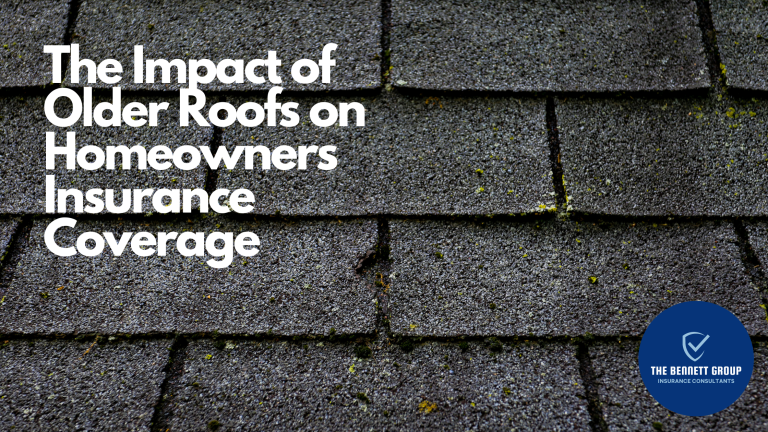
- Moss growth: While it may look charming, moss holds moisture that can lead to rot and structural damage. Its weight can also stress your roof over time.
- Worn or missing shingle granules: The granules on asphalt shingles protect against sunlight and weather. If you notice granules in your gutters or bare spots on your shingles, it’s a sign your roof is deteriorating.
- Curling or cracking shingles: Shingles that no longer lay flat have likely lost their ability to protect your home from moisture and should be replaced.
- Damaged flashing or caulking: The joints and seams around skylights, vents, and chimneys are vulnerable spots. Check for cracking or separation, and reseal or replace them as needed.
- Cracks around chimneys: The area around your chimney is especially prone to leaks due to the different expansion rates of materials. Regular inspection is essential.
How Insurance Factors In
Even if your roof is damaged by a storm or fallen tree, your insurance may not cover the full cost to replace your roof. Many policies only pay out the actual cash value, not the replacement cost.
Many of our clients are saving money and getting much better insurance coverage!
Let's see if we can help you save too?
That means the older your roof is, the less money you’ll receive from a claim — and that’s after your deductible. In many cases, older roofs are valued at nearly zero due to depreciation, especially if they’re approaching the typical 15-25 year lifespan.
Also, insurance companies are becoming more selective. Some refuse to insure homes with asphalt shingle roofs over 10 years old. Others may deny coverage altogether if there’s visible moss or mold on the roof.
The Bottom Line
Don’t wait for a leak to tell you your roof is failing. Regular inspections and early repairs are key, and if your roof is nearing the end of its life, replace your roof before disaster strikes.
Doing so not only protects your home but also helps maintain your insurance eligibility and property value. A timely roof replacement is an investment in your home’s future — and your peace of mind.
Insurance For Where Life Takes You
Independent insurance advice for North Carolina families, individuals and businesses
HOME ⁓ AUTO ⁓ LIFE ⁓ BUSINESS