Trends Driving Auto Insurance Rates Higher
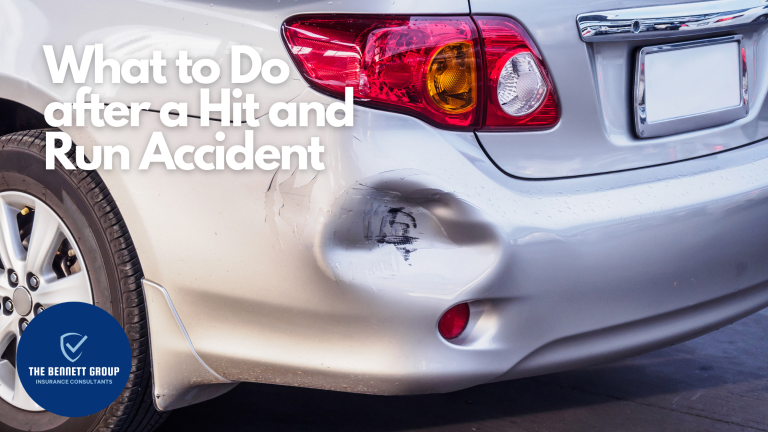
Auto insurance rates are on the rise as insurers struggle to keep pace with increasing collision claim costs. This financial strain has led to consistent rate hikes and stricter underwriting criteria for both individual drivers and businesses.
In North Carolina, automobile insurers have requested a 22.6% rate increase for 2025, further emphasizing the financial pressures on policyholders. The North Carolina Department of Insurance (NCDOI) is currently reviewing this request, which could significantly impact motorists across the state. This proposed hike aligns with a national trend of rising auto insurance costs driven by increasing repair expenses, higher claims payouts, and evolving risk factors.
In 2019, insurance companies paid out $62.6 billion in personal vehicle damages and $5.4 billion for commercial vehicle claims. By 2023, these figures had surged to $95.4 billion and $8.2 billion, respectively. As a result, insurers are raising premiums and becoming more selective in their coverage options. This is contributing to rising auto insurance rates nationwide.
Several key trends are shaping the auto insurance landscape, affecting both accessibility and affordability.
Rise in Totaled Vehicles
An increasing number of vehicles are being declared “totaled,” primarily because repair costs exceed their market value. This trend is largely due to older vehicles remaining on the road longer than before, and it is significantly impacting auto insurance rates.
In 2024, the average age of U.S. vehicles reached a record 12.6 years, up 1.5 years from 2012. While this reflects improved vehicle longevity, older cars typically hold less value than newer models. Additionally, used car prices have fallen by 3.77% since February 2024 due to oversupply.
Many of our clients are saving money and getting much better insurance coverage!
Let's see if we can help you save too?
As vehicle values decline and demand for new cars diminishes, total loss frequency is expected to continue increasing, driving up insurance payouts and premiums.
Decline in Collision Claims
Interestingly, collision claims have become less frequent, potentially due to safer driving habits, milder winter weather, or policyholders opting not to file minor claims. This decline in claims might still not counterbalance the rising auto insurance rates.
Between January 2019 and July 2024, the average first-party deductible in the U.S. increased by 47%. With higher deductibles, many drivers choose to absorb minor repair costs rather than file claims that could lead to premium increases or policy cancellations.
Escalating Repair Costs
When claims are filed, repair costs have risen sharply due to the complexity of modern vehicles. Today’s cars feature advanced materials, intricate body designs, and high-tech components like collision-avoidance systems, front and rear cameras, and sensors that affect auto insurance rates. Even if these systems remain undamaged in an accident, they often require recalibration, adding to labor costs.
The surge in electric vehicle (EV) adoption also contributes to higher repair expenses. In 2023, EV sales surpassed one million, with continued growth expected. Many EVs require specialized repair shops and technicians, further increasing costs. Some repairs necessitate extensive diagnostics and component replacements, driving labor expenses even higher.
What This Means for Consumers
The rising costs of repairs and claims mean higher insurance premiums for both personal and commercial vehicle owners. However, there are ways to mitigate these increases:
- Compare quotes from multiple insurers to find the most competitive auto insurance rates.
- Consider raising your deductible to lower your premium.
- Drop comprehensive coverage for older vehicles if it no longer provides value.
- Bundle your home and auto insurance policies to qualify for discounts.
Contact us today so we can help navigate these options to ensure you get the best coverage at the most affordable rate. While premium increases may be inevitable, strategic decisions can help minimize the financial impact of rising auto insurance rates.
Insurance For Where Life Takes You
Independent insurance advice for North Carolina families, individuals and businesses
HOME ⁓ AUTO ⁓ LIFE ⁓ BUSINESS